MKATA LIVESTOCK PROJECT
Commercial Goat Production
Overview
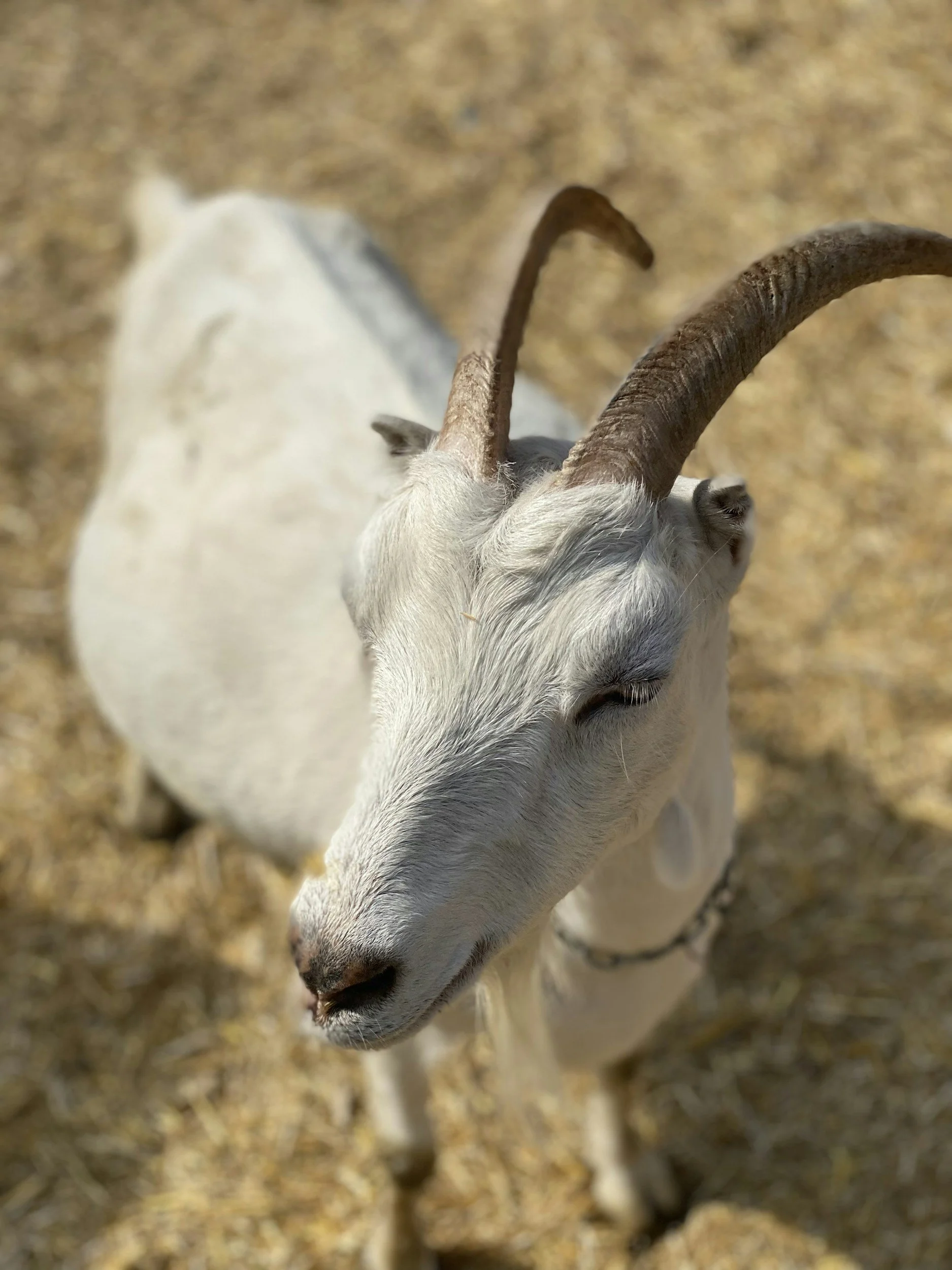
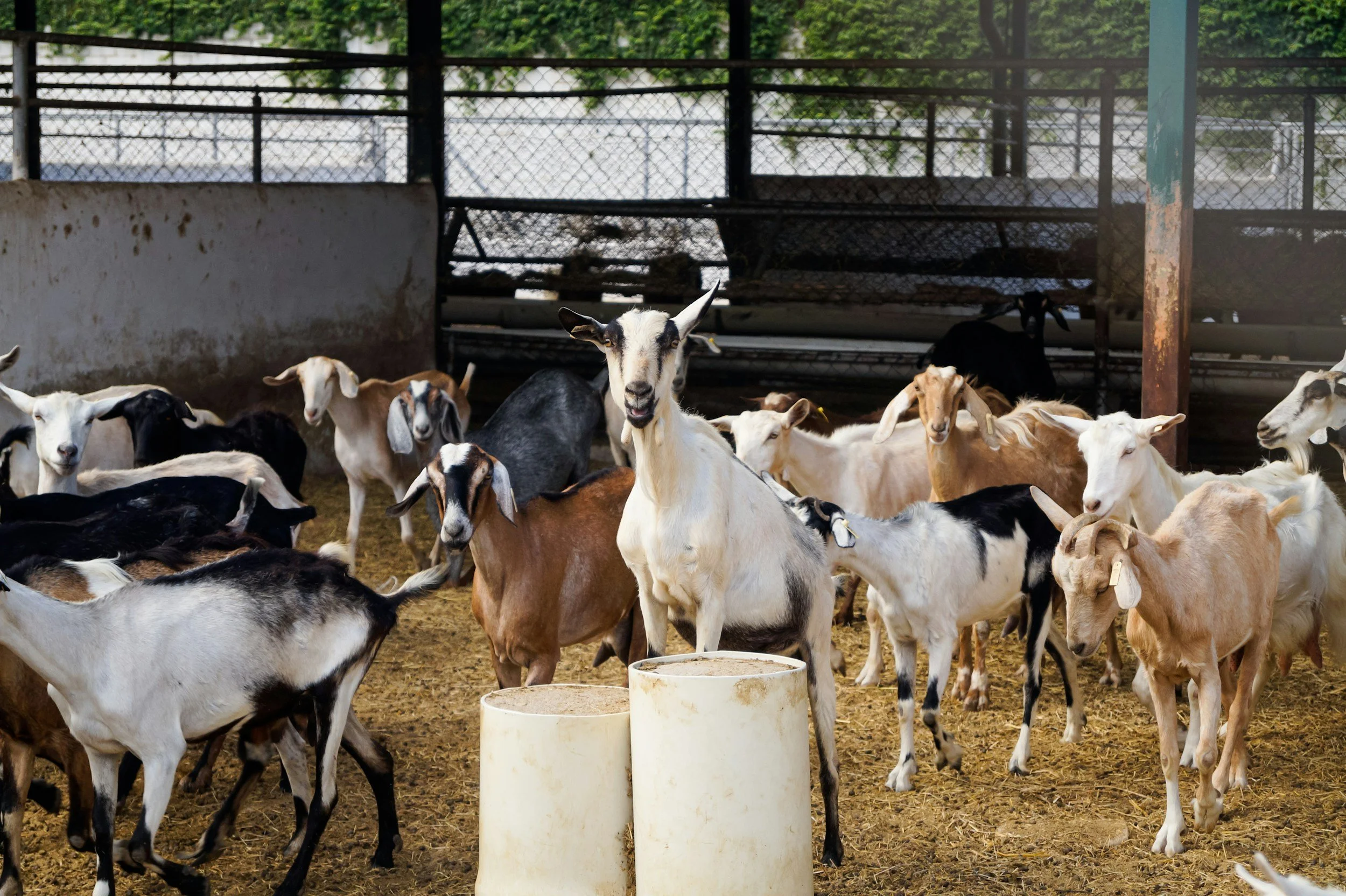
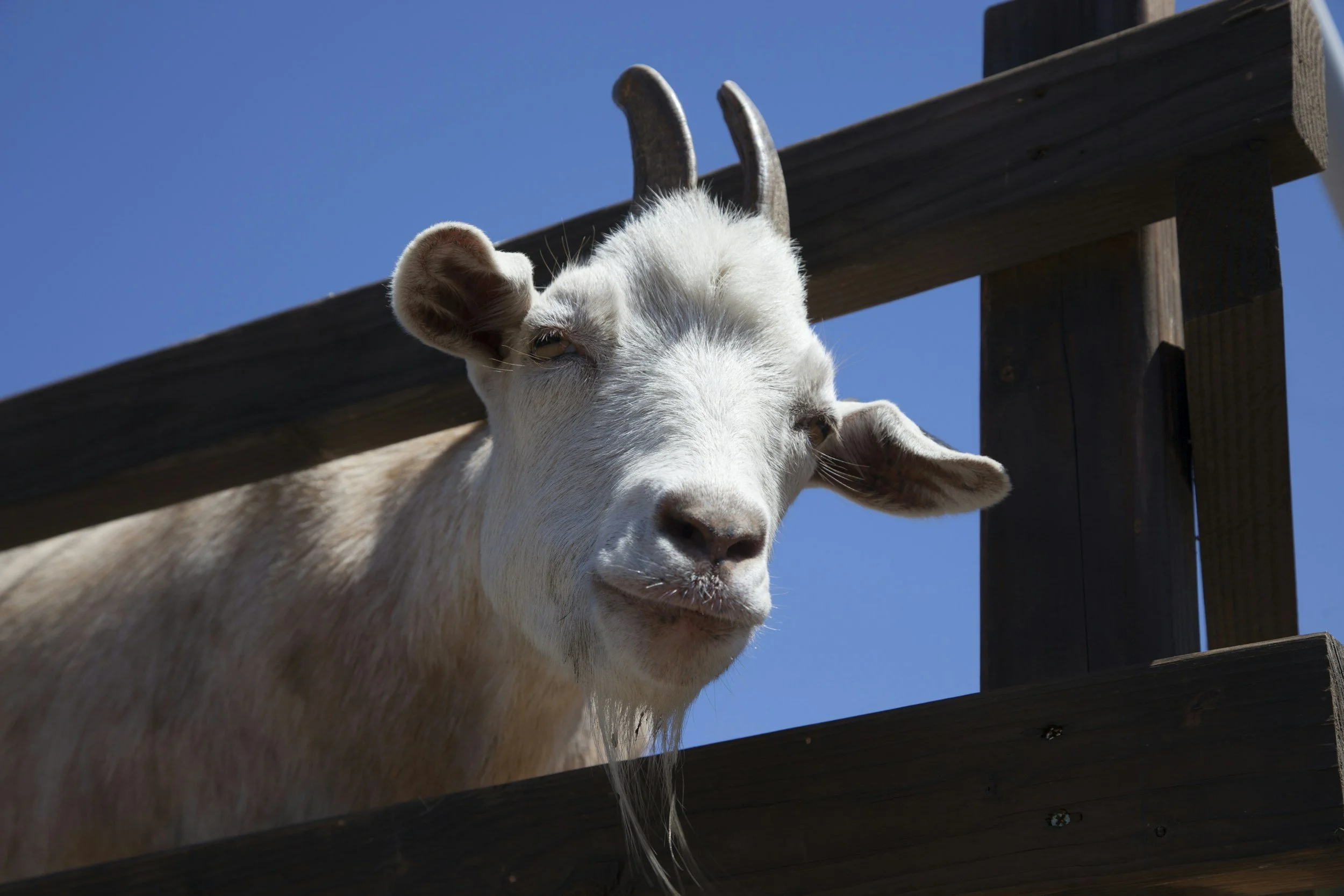
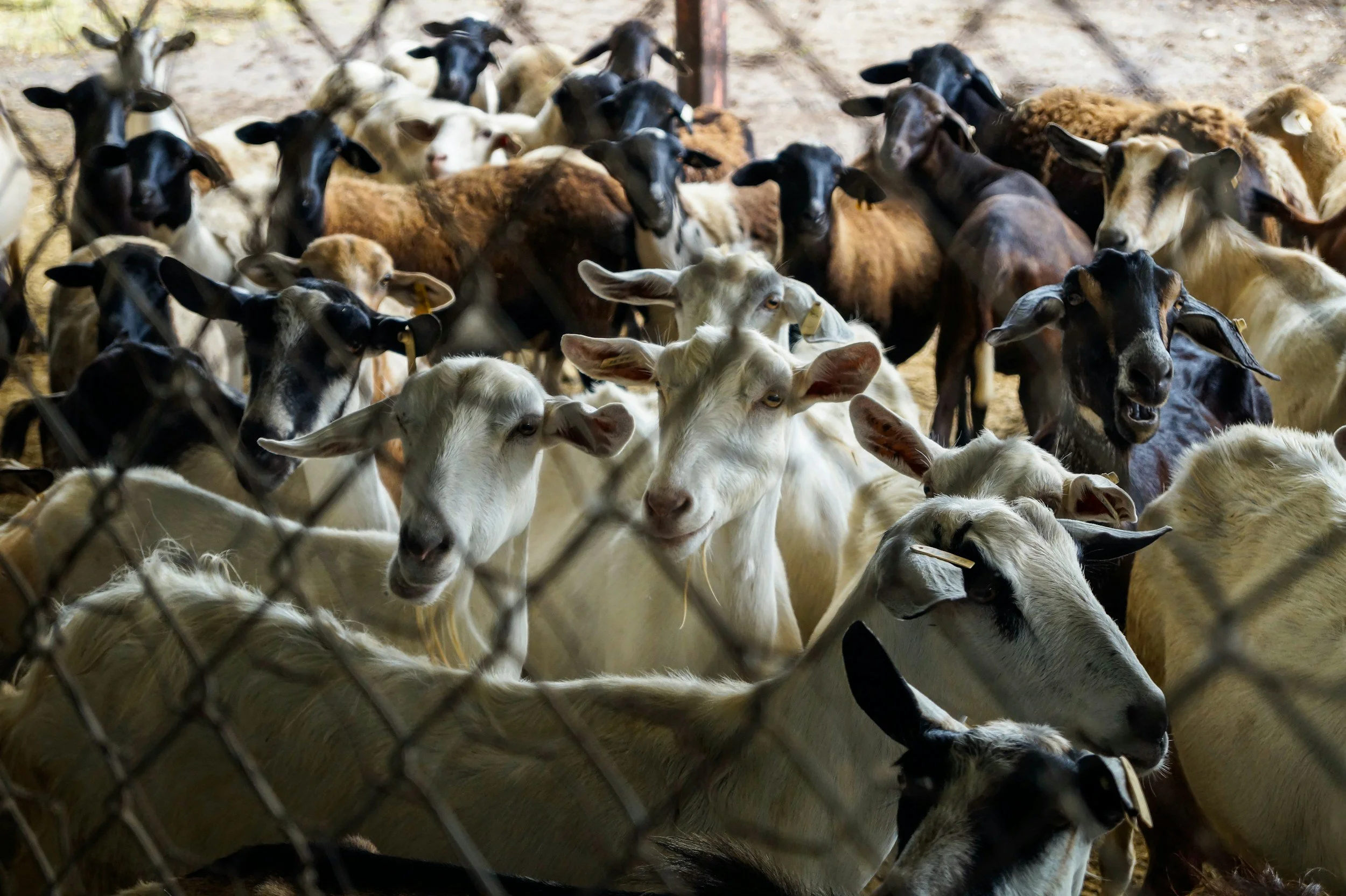
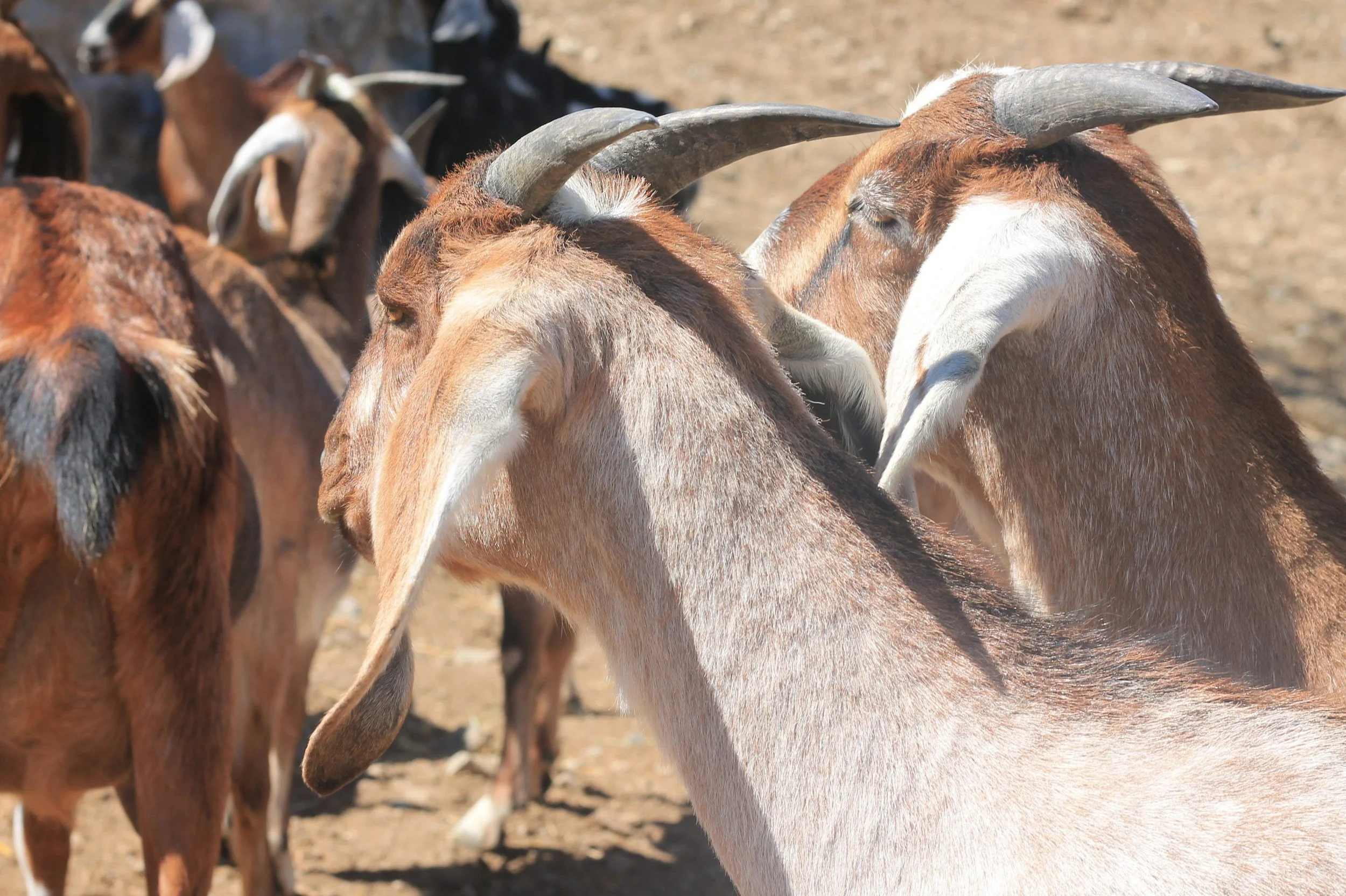
The Mkata Livestock Project focuses on commercial goat production as part of Bustani’s diversified agricultural platform. Developed as a complementary venture to crop-based operations, the project emphasizes managed grazing, herd development, and protein production within a structured operational environment.
Goat production offers flexibility in land utilization and contributes to portfolio balance by introducing a biological production cycle distinct from horticulture and row crops. The project is designed to combine practical husbandry practices with responsible land management to support sustainable output over time.
Production Approach
-
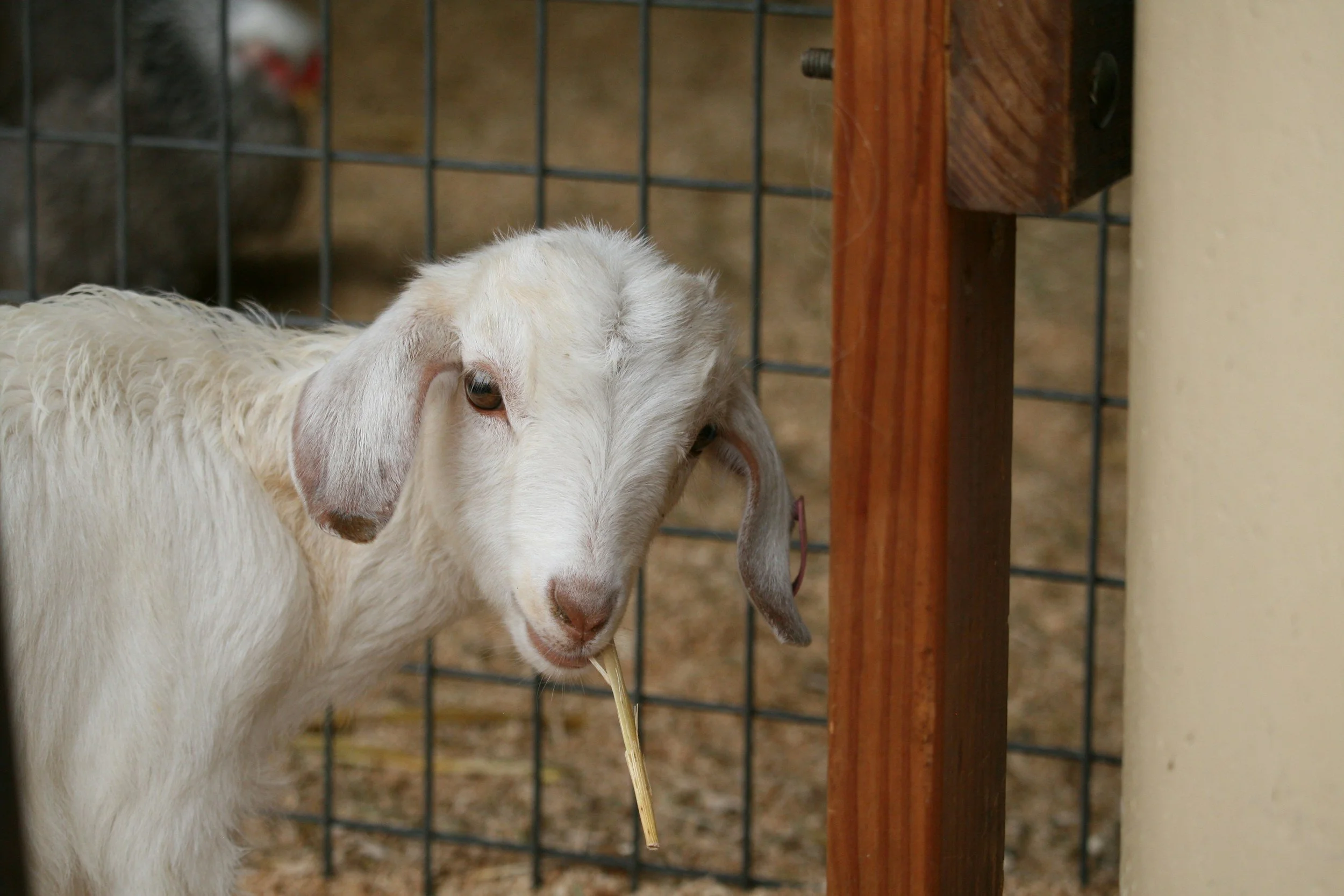
Breeding is guided by structured planning intended to support herd continuity, productivity, and resilience over time. Attention is given to animal selection, growth monitoring, and generational development so that herd quality can improve progressively rather than relying on ad-hoc expansion.
-
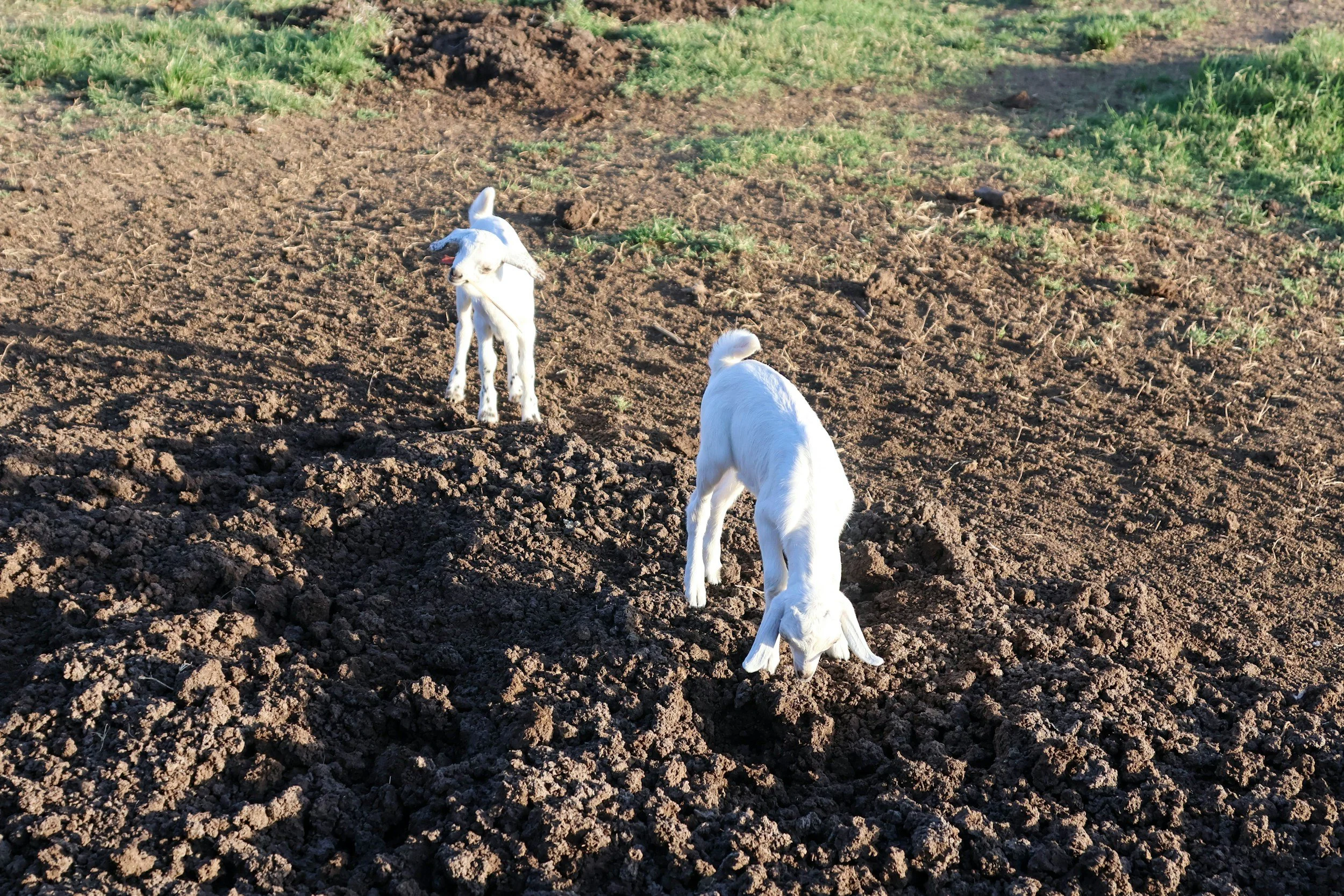
Grazing movement is managed across designated areas to prevent overuse of any single section of land. By allowing vegetation recovery between grazing cycles, this approach supports pasture longevity, reduces soil stress, and encourages balanced land utilization.
-
Routine observation and care practices are implemented to maintain animal wellbeing and reduce production disruption. Monitoring helps identify issues early, supporting consistent herd performance and reinforcing operational reliability.
-
Feeding strategies consider seasonal variation in natural forage conditions. Planning ensures herd nutritional needs are supported during changing environmental periods, promoting stable growth and reducing pressure on grazing resources.
Land & Resource Integration
Livestock production allows for productive use of land areas less suited to intensive cropping while contributing to overall land system balance. Unlike irrigated or mechanized cultivation, grazing-based activity introduces a different rhythm of land interaction that can complement broader agricultural use.
Grazing movement planning helps distribute environmental pressure across the landscape, supporting vegetation recovery and reducing concentrated impact. This approach promotes continuity in land productivity and aligns with responsible resource stewardship principles.
By integrating livestock into the wider platform, Bustani strengthens diversified land utilization and builds complementary relationships between agricultural activities — enhancing resilience across the portfolio rather than relying on a single production model.